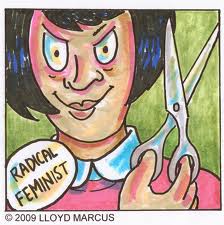
Violenza di genere in Italia: la parola a magistrati, avvocati, psicologi legali

“Solo in due casi su 10 si tratta di maltrattamenti veri. Il resto sono querele enfatizzate e usate come ricatto nei confronti dei mariti durante la separazione. Molte volte siamo noi stessi a chiedere l’archiviazione. In altri casi, invece, si arriva a un processo dove la presunta vittima ridimensiona il proprio racconto. È successo anche che qualche ex moglie sia finita indagata per calunnia” (PM Carmen Pugliese, dichiarazione all’inaugurazione dell’anno giudiziario 2009, Eco di Bergamo).

“È certificato che nel 75% dei casi le denunce penali nei confronti del coniuge sono palesemente false, infondate e strumentali all’ottenimento di immediati risultati nelle cause di separazioni e divorzi” (G.E. Gassani, Presidente Nazionale dell’Associazione Avvocati Matrimonialisti Italiani, ASCA)

“Sempre più spesso si ricorre alla querela del coniuge o del convivente per risolvere a proprio favore i contenziosi civili per l’affidamento dei figli o per l’assegno di mantenimento.” (PM Barbara Bresci, il secolo XIX, 25/11/2009).

“La tecnica è quasi sempre uguale. Denunciare prima della separazione il marito per percosse e minacce, anche se non sono vere. Scrivere qualche SMS alle amichette con finte richieste di aiuto. Mettersi d’accordo con loro per le testimonianze in tribunale. Addirittura quelle più determinate arrivano ai casi di autolesionismo per provare le violenze subite in casa. Poi basta un avvocato senza tanti scrupoli e desideroso di riempirsi il portafoglio e il gioco è fatto”. (F. Graffione, giornalista, il Giornale)

“Ad adottare questi sotterfugi sono tutte donne: se la separazione è in corso, non ci sono strumenti prima dell’udienza per allontanare uno dei due genitori da casa. L’ordine di allontanamento giunge solo in caso di violenza fisica, ed ecco perché arrivano le denunce verso i mariti, per la maggior parte dei casi inventate”. (Avv. Clara Cirillo, presidente dell’Associazione Giuristi Italiani, il secolo XIX, 25/11/2009).

“Se ci sono i minori in ballo, si mettono in atto dinamiche crudeli: le donne avanzano false denunce di maltrattamenti o molestie sui figli a scapito del coniuge, per togliere a quest’ultimo la patria potestà” (Avv. Cristina Nicolini, AGI, personaedanno)

“Potrebbe sembrare incredibile che si possa accusare qualcuno che si sa innocente di un delitto turpe quale quello di violenza sessuale, in particolare quando è perpetrata su un bambino, eppure succede e neanche troppo raramente […] per l’esperienza fatta le false denunce provengono quasi nella totalità da donne, spesso madri che in tal modo tentano di allontanare gli ex mariti dai figli o peggio credono di vendicarsi di non si sa quali torti subiti durante il matrimonio”. (PM Jacqueline Monica Magi, su criminologia.it del 29/1/2009, fonte).

“L’accusa di violenza sessuale è il modo più facile per estromettere il padre dalla vita dei figli. La donna non solo si libera del partner come coniuge ma anche come padre, facendolo uscire definitivamente dalla sua vita”. (Maria Carolina Palma, CTU c/o Trib. di Palermo, L’Avvenire, 13/4/2009)

“le false accuse di maltrattamenti, percosse, abusi sessuali e violenze di vario genere – le querele costruite al solo scopo di eliminare l’ex marito dalla vita dei figli – oscillano nelle procure italiane da un minimo del 70 ad un massimo del 95%” (Sara Pezzuolo, Psicologa – Ass. Naz. Familiaristi Italiani, Firenze, 29 aprile 2010)

“… è necessario sollecitare un controllo sui centri antiviolenza …sollecitare un intervento qualificato che miri al controllo sulle gestioni di questi centri antiviolenza, sulle competenze e professionalità coinvolte e, soprattutto, che sfoci in una più attenta normativa sui limiti dei loro poteri di azione”. (Daniela Piccione – Avvocato, Delegato Regionale Sicilia Familiaristi Italiani, 31/10/2009, fonte)


Lorena Gallo, eroina femminista contro la violenza maschile

Nel 1993 Lorena Gallo in Bobbitt evirò il marito addormentato e tentò di difendersi accusandolo di violenza: lui venne riconosciuto innocente; lei non punibile in quanto mentalmente insana e temporaneamente incapace di intendere. Se la cavò con 45 giorni in un Centro di Igiene Menale.

Le femministe la nominarono vittima e scrissero del suo “forte e coraggioso atto di auto-difesa femminista. Tornando da una conferenza femminista in Europa, assicuro i lettori [del New York Times] che Lorena ha galvanizzato il movimento femminista in tutto il mondo”.  Prima del verdetto la National Feminist Association dichiarò alla stampa  che, in caso di condanna, 100 americani innocenti sarebbero stati castrati.  Alcune femministe vendevano magliette con la scritta “vendetta – quanto è dolce” e placche “Lorena Bobbitt chirurgo capo”.

La commentatrice Ms. Charen scrisse: “se le femministe ribollono di odio contro gli uomini, è evidente che la loro politica sconfina nella patologia.  Vedere la mutilazione di un uomo come un atto politico merita essere etichettato politica dell’odio”.

La reazione depravata e moralmente grottesca delle femministe pose fine al mito del femminismo buono.

Nel 1997 l’ex signora Bobbitt venne arrestata in quanto i vicini chiamarono la polizia denunciando che stava assaltando la propria madre [fonte]. Oggi gestisce una organizzazione per donne vittime di violenza domestica (www.lorenasredwagon.com), si presenta come vittima innocente, cita le statistiche femministe secondo cui una donna su tre verrebbe abusata, progetta di costruire un centro anti-violenza “Lorena’s house”, e chiede soldi

L’appello di una volontaria: fermate il centro anti-violenza, i bambini non meritano questa crudeltà.

Ho fatto volontariato presso il centro anti-violenza XXX.  Vorrei rimanere anonima temendo vendette. Sono scandalizzata per quello che davvero accade nel centro, che in massima parte è niente più che un “supermarket di divorzi per mogli annoiate ed emotive che vogliono cambiare vita”. È anche ostello gratis per donne con problemi emotivi, se sono disposte ad odiare abbastanza i loro mariti e farsi fare ordini protettivi; in tal caso ottengono fino a 7 mesi di alloggio. Tutto questo con la scusa della donna picchiata è disgustosamente rivoltante.

Per quanto ho visto, lo scopo del centro è convincere le mogli annoiate ed emotive ad abbandonare i mariti, dopo averle attizzate con dosi pesanti di odio anti-uomo, anti-marito, anti-patriarcato.  Questo è progettato con cura dallo staff e dalle collaboratrici del centro.  Attività normali come cucinare, pulire, prendersi cura dei bambini sono presentate come abusi imposti dai loro mariti.

Le discussioni familiari sono presentate come abusi verbali. Una spinta occasionale viene presentata come serio abuso fisico.  Identificano le mogli emotive tramite una serie di test, le rendono furiose con la propaganda, ed usano la rabbia e la frustazione contro i loro mariti.  Vengono loro date istruzioni si come abbandonarli di nascosto per il centro.

Le risorse del centro vengono usate per accusare i padri e far apparire le madri come vittime. I bambini finiscono usati come pedine nel gioco di abusi manipolato dal centro.

Le donne senza quasi problemi familiari sono dichiarate abusate ed istruite dalle operatrici su come andare in Tribunale ed ottenere un ordine protettivo contro i loro mariti.  A tal fine le donne vengono anche minacciate.  Questo è un vergognoso abuso del sistema che era stato pensato per proteggere le donne.

La maggior parte delle operatrici disprezzano il matrimonio e gli uomini, e danno poca importanza al ruolo dei padri nella vita dei bambini. In maggioranza provengono da relazioni fallite, di cui rimane un pozzo senza fondo di odio contro gli uomini.  Usano linguaggio volgare e passano molto il tempo ad insultare i padri, i mariti, e guidano sessioni comuni per iniziare allo stesso odio le nuove residenti.

Il centro è un luogo terribile, non è il posto dove i bambini dovrebbero stare. Neanche le donne.  Molte attività sono attentamente monitorate e sorvegliate per rimanere dietro un velo di segreto.  Le avvocate, sociologhe e psichiatre praticano una auto-censura. Sono solo un mucchio di femministe radicali che giudicano con il loro paraocchi uomini, padri e famiglie.  Mentono ripetutamente a chi finanzia il centro in modo da farlo apparire orientato alle famiglie. […] Contrariamente a quanto dichiarato non c’è nessuna attività per rafforzare le famiglie. Le povere mogli vengono trasformare in vittime dal centro, senza alternativa che dipendere dal centro per la stabilità finanziaria; i bambini vengono alienati dai padri usando ordini protettivi. Le avvocate denunciano i padri per avere mantenimenti per le donne ed i figli.  In tal modo non solo impoveriscono le famiglie rompendole, ma legalmente e moralmente commettono abusi sui bambini allontanandoli dalle loro case e mettendoli nel centro. Lontano dalla scuola, amici e dalle attività familiari.

Ho parlato con molte mogli nel centro, che rimpiangono profondamente di averlo contattato.  Sono state istruite a mentire totalmente o a distorcere la verità.  Nella furia del momento hanno tutte ottenuto ordini protettivi contro i loro mariti, e rimpiangono profondamente di aver distrutto il loro matrimonio, la loro famiglia, il futuro dei loro figli e di aver tagliato ogni via di riconciliazione.

Vi prego ed imploro di indagare e fare qualcosa al più presto per fermare questa insensata distruzione di famiglie e questi inutili traumi sofferti dai bambini.  Per favore fate qualcosa. I bambini non meritano questa crudeltà, fatta sotto i nostri occhi.  Per favore fate qualcosa ora!

Il nome del centro negli USA è in chiaro nella versione originale [pdf], ricevuta dalla Fondazione Equal Justice.

Inchiesta del National Post: centri anti-violenza o supermarket di divorzi?

Due anni fa, Terri ammise di essersi approfittata dei centri anti-violenza. Suo marito non la aveva mai picchiata, ed ammise di aver mentito perché era assurdamente facile e conveniente. […] “Andai alla porta e piansi che mio marito mi abusava. I bambini non erano con me perché non volevo che mi vedessero”. Terri racconta che il personale accettò la sua storia. Quindi portò i bambini al rifugio, dove il personale la istruì su come vincere una causa di divorzio. Le dissero che “la prima cosa da fare è ottenere un ordine restrittivo contro il marito”.

Nel caso di Terri il risultato fu un affidavit dove non accusava il marito di essere aggressivo, ma di avere caratteristiche tipiche degli ubriachi. Su questa base “ottenni l’ordine restrittivo, e subito dopo la custodia esclusiva dei bambini, senza diritti di visita al padre”.

“Dopo capii cosa avevo fatto. I miei bambini non avevano visto loro papà per un anno, e non mi preoccupai che questo facesse loro del male” dice Terri, che ora fa la terapeuta. “Non è stata una guerra onesta: io avevo il rifugio e le femministe dalla mia parte”.

[…] La loro propensione a stereotipizzare tutti i padri come abusanti e tutte le madri come vittime non è una sorpresa per gli avvocati e gli operatori sociali allarmati dal ruolo che i rifugi hanno nei divorzi. Oltre a dare supporto morale alle madri, scrivono lettere a loro favore – nonostante non abbiano mai visto l’uomo coinvolto ed abbiano sentito solo una parte della storia. […] Susan Baragar si definisce una femminista, ma crede che sia troppo facile per le donne ottenere lettere dai rifugi, ed avverte che sono un’arma potente. I giudici sono fortemente impressionati se una donna sta in un rifugio, che scrive in una lettera che il padre è pericoloso per i bambini.

Il genitore che ottiene la custodia temporanea è quasi sicuro di ottenere dopo quella definitiva (i giudici sono riluttanti a ribaltare una seconda volta le vite dei bambini), quindi le relazioni fra i bambini ed i loro padri vengono devastate in alcuni casi solo sulla base della lettera di un rifugio.

[…] Ad esempio, una operatrice riuscì a capire, dopo un solo incontro, che la donna “era stata abusata da bambina ed ora da adulta”, aggiungendo che auspicava che la corte riconoscesse questa lettera di supporto per una donna “intelligente, sensibile e sincera”. Due anni dopo il giudice arrivò alla conclusione opposta: nonostante fosse poco più che ventenne, aveva già fatto sette denunce di abusi sessuali contro 11 diverse persone. La donna, scrive il giudice, “aveva accusato suo padre, suo fratello e sua sorella di averla abusata, ma ciònonostante non ha esitato a portare i bambini a vivere con loro”. La donna perse la causa, ed i bambini furono affidati alle cure della nonna paterna.

Un’altra operatrice scrisse che una madre era “affettuosa e dedita ai figli” che dovevano essere affidati a lei piuttosto che al marito. E invece quattro anni prima la Società per la Difesa dei Bambini la aveva accusata con successo di essere un pericolo per i figli, che “erano spesso spaventati dalla madre”. Una volta minacciò il marito con un coltello e tentò il suicidio. In un altra occasione “aprì la porta della macchina mentre viaggiava sull’autostrada e minacciò di lanciarsi”. Questi due incidenti avvennero in presenza dei bambini, ma la corte le affidò comunque i figli. […]

Louise Malenfant, operatice sociale, chiama i rifugi per donne “supermarket di divorzi per donne” e dice che oltre ad aiutare donne a fare false accuse di violenza, i rifugi nella sua città hanno aiutato a fabbricare accuse di abusi su bambini. […] Ha testimoniato che i bambini venivano portati in stanze in cui le madri non potevano entrare, soggetti ad un programma di sensibilizzazione agli abusi sessuali, e venivano interrogati in modo non appropriato dal personale dei rifugi.  La signora Malenfant dice al National Post: “Se esponi un bambino a materiale sessuale e lo interroghi ripetutamente per una settimana o due, il bambino può letteralmente ripetere quello che gli è stato detto“.

La signora Malenfant sostiene che anche le madri che non avrebbero altrimenti accusato i propri mariti di incesto, finivano per considerare queste accuse che nascevano durante un soggiorno al rifugio, ed ha pubblicamente chiesto un’indagine sui rifugi, scrivendo alle autorità competenti. Come risultato, il problema sembra essere sparito: “da un anno non ho più sentito nuovi casi, non so cosa abbia fatto il governo”.

“Sono molto arrabbiata, perché ci sono anche reali casi di abusi, e vedo che ora i giudici gli danno minore peso, per via delle tante bugie. I giudici sono ora più inclini a credere che sia solo una falsità”.

——-

Abbiamo abbozzato una traduzione dell’inchiesta giornalistica pubblicata da The National Post del 21/11/1998 [link1, link2 e riprodotto in calce] con titolo originale “One-Stop Divorce Shops”.  L’autrice, Donna Laframboise, è una scrittrice canadese, laureata in studi femminili. Ha pubblicato anche su Globe&Mail, Toronto Star ed altri giornali.  Ha ricoperto incarichi nell’Associazione Canadese delle Libertà Civili (CCLA).  Ha pubblicato il libro “The Princess at the Window: A New Gender Morality”, dove critica molti aspetti del femminismo.

One-stop divorce shops

A letter of support from a shelter is proven to be enough to win custody battles
By Donna Laframboise. National Post

Terri says her husband’s drinking problem made their seven-year relationship a rocky one, and that she had left him before. Her mother urged her to go to a shelter, she says, in the belief that the counsellors would help her achieve independence. Terri (who requested anonymity to spare her now former husband further embarrassment), says she telephoned a Winnipeg shelter and was told only abused women were admitted.


“I went to the door and I cried and said that my husband was abusive. My kids weren’t with me because I didn’t want them to see how I had to get in.”

Terri says the intake worker accepted her story at face value. So she retrieved her sons, then three and six years old, and went back to the shelter where staff began coaching her on how to gain the upper hand in divorce court.
Terri says residents were told that “the first thing we needed to do was obtain a restraining order against our spouse. We were instructed to write down our complaints on paper and bring them with us when we went to see our lawyer.”

In Terri’s case, the result was a 10-page affidavit alleging not that her husband was physically abusive, but that he displayed characteristics one might expect in an alcoholic. “A lot of the stuff I wrote up in the court document was about his hygiene. I complained about always having bladder infections because he never had a bath.” On the basis of this affidavit, she says, “I got the restraining order and soon after I got full custody of my children with no visitation for my husband.”
Later, the full import of her actions sank in. “I realized what I had done. My children had not seen their father for a year, yet I was never afraid that he would harm them or myself,” says Terri, now a 36-year-old therapist. “It was not a fair fight. I had the shelter and the women’s movement on my side.”
During parliamentary committee hearings on child custody and access earlier this year (the final report is due in early December), women’s shelter spokespeople showed up in full force. Their propensity to stereotype all fathers in custody battles as abusive and all mothers as besieged victims came as no surprise to lawyers and community activists alarmed by the role shelters now play in divorce matters. In addition to providing moral support to women who appear on their doorstep, shelters also supply letters of endorsement that are highly prejudicial to the women’s spouses in court — despite the fact that the shelter employees have never met the men involved, have only heard one side of the story, and have only known the women for a short time under highly artificial conditions.
Susan Baragar, who practices primarily family law in Winnipeg, describes herself as a feminist but believes nevertheless that it is “all too easy” for women to get these letters from shelters, and warns that they are a highly potent weapon.
Judges are “most definitely swayed” if a woman is staying at a shelter and court documents include a letter from the facility implying that the father is dangerous, says Ms. Baragar. “I mean, you’ve got sort of a ‘professional’ now saying he shouldn’t see his kids.”
Ms. Baragar, herself, has used the tactic on behalf of her own clients. She cites a recent case in which she represented a woman who “came in with this two- or three-page letter which I attached to the affidavit, and [the father] was denied access on that basis. Nothing else. It depends on the judge. Some judges are more cautious than others. But in that particular case he was absolutely denied access.”
Ms. Baragar says the opposing lawyer “argued that this was not an unbiased letter, that both parties had not been interviewed. He got absolutely nowhere.”
Since the parent who first secures legal child custody is almost certain to be awarded it later (authorities are reluctant to disrupt the children’s lives once again), relationships between fathers and children are being ripped asunder in some cases merely on the say-so of a shelter worker.
In 1995, a Manitoba shelter worker wrote a two-page letter on behalf of a resident. The worker was able to discern, from their first meeting, that the woman “had been a victim of abuse in her childhood and now as a adult.” Writing that she hoped “the court will recognize this letter of support,” the worker pronounced the woman to be “intelligent, insightful, and sincere.”
But in 1997, after hearing submissions from the woman’s spouse and the Winnipeg Child and Family Services, a judge came to a different conclusion. Only in her early 20s, the woman had already made seven sexual abuse complaints to police involving 11 different people. (The only complaint in which a charge was deemed warranted resulted in an acquittal.) “At one time or another,” wrote the judge, the woman had “accused her father, brother, and sister of sexually abusing her.” In the judge’s view, her credibility was undermined by the fact that, “despite these allegations she had no hesitation in living with her father and her sister and in exposing her father to her own children.” The woman eventually abandoned her custody bid, and the children were placed in the care of their paternal grandmother.
In Burlington, Ont., in 1995, a counsellor at a women’s shelter wrote a supportive letter regarding a client and her relationship to her then two-year-old daughter and 12-year-old son. Although the children had joined their mother in the shelter only eight days earlier, the staffer felt no hesitation in declaring the woman to be a “loving and devoted mother” and in expressing the “strong feeling” that child custody should be awarded to her rather than to the husband she was leaving.
But this woman’s maternal track record was in fact less than stellar. Four years earlier, the Children’s Aid Society had successfully convinced a court that she was a danger to her son and an older daughter, then aged 12, who did not accompany her to the shelter.
After monitoring the situation for three months, a Children’s Aid worker told the court that both children “admitted being afraid of their mother much of the time.” On one occasion she allegedly threatened her spouse with a knife and then threatened to commit suicide. On another occasion, she allegedly “opened the car door while it was travelling along the highway and threatened to jump.” The worker noted that “Both of these incidents occurred in the presence of the children.” Nevertheless, the courts awarded custody of all three children to the woman.
At yet another shelter, in Orillia, Ont., a staffer wrote a letter in 1994 addressing the question of who should get custody of two boys, aged two and three. Despite the fact that no trial had yet been held, this staffer declared that their mother “had been physically assaulted” by her husband before fleeing to the shelter. The mere fact that the mother had shown up at a shelter was proof that she was “a conscientious and caring parent.” The letter ended with the declaration that “it would be a great disservice” to the children if custody was not awarded to their mother. With the aid of the letter, the woman secured custody.
In 1997, a Toronto shelter worker wrote a letter on behalf of a woman who had been in residence for six weeks. It flatly announced that the woman had been “physically and emotionally” abused by the husband she was leaving and said that since “her children are her life,” she should be assisted in gaining custody.However, in a report dated a week prior to the shelter’s letter, a psychologist who interviewed the woman during her stay noted that she’d told him her husband “has never struck her physically.” Interim custody has been awarded to the mother.
buying online propecia style=”color: #444444;”>Ms. Baragar has had women’s shelter letters expunged from the record when attempts have been made to use them against her own clients. “There is a rule that you’re technically not supposed to just attach reports to somebody else’s affidavit,” she says. “When I see letters like that I go pretty hardcore and insist that a separate affidavit then be sworn – which gives me the right to cross-examine the maker of the statement. [The shelter workers] usually chicken out. They haven’t wanted to swear affidavits.” Many lawyers, she says, are unfamiliar with the tactic.
Mary McManus, a lawyer in Victoria, B.C., shares many of Ms. Baragar’s concerns. While she thinks “shelters are very important and fulfil a useful function,” she feels staffers should refrain from expressing opinions regarding situations about which they have limited knowledge.
“The workers at the shelters come with different backgrounds, experience, and education. What they say may well be justified, but may not be as well.”
Ms. McManus agrees that the courts “tend to place a great deal of weight on just the fact that a woman went to a shelter. I’ve had a lot of experience in bail hearings where men have been accused of abusing their spouse and the fact that the spouse is in the shelter can be accepted as evidence that there has been abuse.”
Greta Smith, the executive director of the B.C./Yukon Society of Transition Houses says her organization has no policy regarding shelters writing letters on behalf of clients. While she admits it’s “possible that some transition houses would write supportive letters,” the idea makes her uncomfortable. “I guess I would have to see the letter. I’m sorry, I have some difficulty with that. The fact that people would write letters without some good solid reasons for writing a letter. Without seeing the letter and without finding out what the circumstances are, it would be very difficult to make a comment on that.”
When asked whether it’s possible that some women are going to shelters as a divorce tactic, Ms. Smith replies: “Anything in this world is possible, but I do not believe that happens.”
Louise Malenfant, a community activist in Winnipeg, calls shelters “one-stop divorce shops for women,” and is disturbed by their ‘no questions asked policy.’ She claims that in addition to helping women who make false allegations of wife abuse, shelters in her city have helped manufacture incest accusations.
Over the past four years, Ms. Malenfant has been an advocate for 62 individuals who claimed to be falsely accused of child sexual abuse during divorce proceedings. In a third of those cases, she says, a women’s shelter was involved.
At 1996 public hearings into the Manitoba Child and Family Services Act, Ms. Malenfant alleged that children were taken into a room that was off limits to their mothers, subjected to a sexual abuse awareness program, and inappropriately questioned by shelter staff.
“If you expose children to sexual material and you question them repeatedly over the course of a week or two, that child can literally repeat what they’ve been taught,” Ms. Malenfant told the National Post.
She maintains that even mothers who would not have otherwise accused their spouses of incest were compelled to treat such allegations seriously after they arose during a shelter stay. Ms. Malenfant has publicly called for an inquiry into women’s shelters, and has written letters to government officials protesting their policies. As a result, that particular issue seems to have disappeared. “It was like somebody sucked that problem right out of the place,” Ms. Malenfant says. “I have not seen a new women’s shelter case in over a year. I don’t know what [the government has] done; all I know is that it stopped.”
“It’s extremely disturbing,” says Ms. Baragar of the role shelters have been playing in custody and divorce proceedings. “I get very angry about it from a personal basis, because I think that there are very real cases of abuse and what I see happening in the courts is that those cases now have less value because of the lies that are so easily” being told.
In the last year, Ms. Baragar says she has sensed a growing cynicism from the bench.
“Judges are now more willing to believe that this is just a lie. You know, it got to a point for a while that I couldn’t pick up a woman’s affidavit where she wasn’t accusing him of abuse. You’d get page after page of what was being called abuse, and people were quite prepared to go to women’s shelters for it.
“I mean, not everything is abuse. Just because it wasn’t a fun fight doesn’t mean it was abuse.”
————–
Copyright © Southam Inc. All rights reserved. Optimized for browser versions 3.0 and higher.

“National Post Online is a production of Southam Inc., Canada’s largest publisher of daily newspapers.”

Rapporto del Comitato Giustizia Familiare: dentro i centri anti-violenza

Donne e bambini che subiscono abusi, minacce, lavaggio del cervello, intimidazioni, assalti, odio misandrico nei centri chiamati ‘rifugi per donne’ dalle femministe e pagati con soldi pubblici. Questo il contenuto del qui tradotto documento “Family Justice Review Committee Policy and Position Statements: Women’s Shelters” [link] che elenca le seguenti preoccupanti informazioni in merito a tali centri riferite all’Osservatorio CanadaCourtWatch da più sorgenti credibili, fra cui testimonianze di donne e bambini che hanno vissuto in tali centri, e che riferiscono che:

  • Alcuni centri indirizzano le donne verso avvocate lesbiche o femministe radicali o note per essere non etiche ed odiatrici di uomini.  Spesso questa specie di avvocate ricorrono ad ogni sporco trucco per aiutare le donne a distruggere i loro matrimoni ed il legame dei bambini con i loro padri.
  • Molte delle operatici dei centri odiano gli uomini ed un loro obiettivo è diffondere il loro odio alle donne ospitate, che subiscono pressioni volte a far loro denunciare i loro mariti ed ad impedire ai bambini di vedere i loro padri.  Molte di queste operatrici non vogliono vedere le donne felici e sposate, uno dei loro obiettivi sembra essere il distruggere e sfasciare le famiglie.
  • Alcune operatrici hanno fraudolentemente usato fondi pubblici o ricevuti tramite donazioni per il proprio guadagno personale.  Molti centri non hanno sistemi formali di contabilità dei milioni di dollari di fondi pubblici ricevuti.
  • Alcuni bambini piangono perchè vogliono vedere i loro papà, ma contatti significativi con i papà vengono loro proibiti contatti anche in assenza di accuse o altri motivi etici o morali. In alcuni casi, le operatrici assistono le donne nell’impedire ai figli i contatti con i loro papà in violazione di dispostitivi dei Tribunali.  I diritti dei bambini vengono spesso violati detenendoli a forza in tali centri contro la loro volontà ed in alcuni casi impedendo loro anche contatti telefonici con i loro padri.
  • Le operatrici spiano le donne accolte, talvolta ascoltando le loro telefonate.
  • Alcune operatrici sono lesbiche che odiano gli uomini, alcune hanno fatto avances sessuali su donne nuove arrivate in situazioni di vulnerabilità con tentativi di forzarle a relazioni lesbiche, ad esempio promettendo loro trattamenti di favore.  Alcune donne hanno riferito che è stato loro detto che avrebbero ricevuto trattamenti di favore se avessero accettato tali relazioni sessuali.  Alcune donne hanno riferito di essersi sentite più abusate nei centri anti-violenza che con i loro partner violenti.
  • Si permette a donne molto violente con precedenti penali di abusi contro i loro mariti e figli di alloggiare nei centri insieme ai bambini.  Molte delle donne ospitate ed alcune delle operatrici hanno problemi psicologici e sono più violente degli uomini che hanno lasciato.  Molte operatrici sono donne che si dicono abusate e che odiano gli uomini.
  • È stato dato rifugio a donne in fuga dalla giustizia, a volte assieme a bambini da loro rapiti. Si impedisce alla polizia di entrare in molti rifugi, anche quando la polizia ha un mandato di arresto per donne sospettate di nascondersi nel rifugio.
  • Ai bambini vengono mostrati filmati contenenti scene con uomini che picchiano le donne e subiscono un lavaggio del cervello volto a far loro credere che solo i padri siano violenti.
  • Avvengono risse fra le donne nei centri, ma le operatrici le minacciano per mettere il tutto a tacere, in modo tale che la polizia e la pubblica opinione non sappiano di queste violenze.  Alle donne vengono fatti firmare documenti che le obbligano a non testimoniare nulla di quanto osservano nei centri.  In alcuni centri si dice alle donne che senza il permesso delle operatrici è proibito chiamare la polizia riguardo ad ogni attività illegale o abuso o violenza che capita nel centro.
  • I bambini nei centri sono esposti a frequente turpiloquio e bestemmie.
  • Le operatrici dei centri come routine scrivono ai giudici lettere certificando che le loro ospiti sono madri eccellenti, senza aver fatto alcun controllo (in alcuni casi si trattava di madri che avevano seriamente abusato i loro bambini).  Questo è parte della strategia volta ad ingannare i Tribunali ed aiutare le madri a distruggere il legame dei figli con i loro padri.


Sebbene tale situazione sia riferita a centri in Canada, questo articolo non deve essere visto come contro tale paese. Trattasi infatti di traduzione di quanto denunciato da organi canadesi; situazioni simili sono state segnalate in altri paesi.  L’odio di genere femminista non è certo limitato al Canada.

———————–

DOCUMENTO ORIGINALE (IN INGLESE)

Currently in Canada, hundreds of millions of dollars are being spent on women’s shelters across Canada.  The Family Justice Review Committee acknowledges that there are indeed a number of women (and men) who are abused by their partners and in need of a place of temporary shelter during these times of family conflict.

However, information gathered by Canada Court Watch from a number of credible sources including information and testimony from former women residents, children who were residents and former shelter managers, clearly indicate that there is another side to the women’s shelter system which the public is largely unaware of.  Canada Court Watch has obtained video testimony from both children and former women residents  which would indicate that a number of women and children are being abused, threatened, brainwashed, intimated and assaulted while inside some of the government funded Generic Cialis women’s shelters and which is going unreported. There would appear to be widespread abuse of tax dollars.

Some of the disturbing information that has been reported to Canada Court Watch by various  sources include:

  • That many of the women who work in women’s shelters hate men and that one of their goals is to spread their hate to the other women who come to the shelter.  Women in shelters are put under pressure to take their husbands to court and to keep the children from seeing their fathers.  Some of the women’s shelters are operated like anti-male bunkers which spread hate while putting up a facade to the community that they are helping women and children.

  • That very violent women with criminal records of abuse against their spouses and even their children are being allowed to stay at shelters in the presence of children.  Some women who are known to have abused their children are given refused without question.

  • That some shelter workers have fraudulently taken money given to shelters by taxpayers and through donations and have used the money and donations for personal gain.  Women who have stayed in shelters have reported shelter workers taking donations of food and clothing for themselves.

  • That women who are fleeing from authorities, sometimes with children they have abducted, have used women’s shelters to hide out and have never been asked as the the circumstances as to why they are at the shelter with their children.  Police are barred from entering many of the shelters, even if looking for women who may have arrest warrants against them and who police suspect may be hiding in a shelter.

  • That some children in the shelters cry and want to see their fathers but are denied meaningful contact with the fathers even when there is no issue of abuse of the children and no ethical or moral reason for denying contact.  In some cases, workers at women’s shelters assist some mothers to violate court orders in relating to a father’s access to his children as part of a plan to unlawfully keep children from seeing their fathers.  The rights and freedoms of the children are often violated by forcefully detaining the children in the shelter against the child’s wises  and preferences and in many cases denying the children even phone contact with their fathers.

  • That workers spy on women residents and sometimes listen in on private phone calls.

  • That many of the shelters have no formal accounting system for keeping track of money and donations and that there are few, if any, audits on shelters.  Yet, millions of tax dollars flow to these facilities.

  • That some of the women working in shelters are lesbians who deplore men and many of the other women hate men partly because they can’t find a man themselves or because they have been the victim of abuse themselves.

  • That some women’s shelter staff have made sexual advances towards the new women who come into the shelter and attempt to coerce new women into lesbian relationships at a time when these new women are vulnerable. Some women have reported being told that if they enter into sexual relationships with shelter workers they will receive preferential treatment by the shelter workers and can obtain special access to donations which come into the shelter.

  • That many of these women who work at shelters don’t want to see other women happy and married, so one of their main objectives appears to be to to destroy and break up families.

  • That many of the women who are in the the shelters, including some workers, have emotional and psychological problems themselves and in many cases are more violent than the partners they left.

  • That many staff members are former abused women themselves with emotional problems and have a hatred against all men.

  • That children are being shown videotapes of men beating up women and then being brainwashed into believing that only fathers are the ones who are violent towards their partners and children.  Yet published research clearly shows that children are safest in the care of their biological father.

  • That women assault each other in the shelters but the shelters hush this up using threats to residents to keep silent, so that the police and the public will not become aware of the violence in the shelters.

  • That women who come into many of the women’s shelter are told they must sign an intake form agreeing that they will not report about anything they witness in the shelter and to waive their legal rights to sue the shelter. It has been reported that the women are being told that they cannot even take the agreement they signed out of the women’s shelter so that others might be able to see what it is they have signed.

  • Some shelters tell new residents they are not allowed to call police in regards to any illegal activities or incidents of abuse or violence at the shelter without the permission of the shelter.  They are told that this is for “security and privacy” reasons.  The real reason why this is done is to conceal illegal activities and violence in the shelter so that members of the public will not become aware.

  • That there is a a lot of swearing used in the facility and that young children are exposed to swearing and foul language while in the shelter.

  • That new women who come into the shelter are expected to never go back to their husbands and partners and are expected to destroy their marriages.  Even if a woman want to attempt to make her relationship with her partner another chance, she is forced into silence often under threat that she will get kicked out of the shelter is she says anything about wanting to see her former partner.

  • That donations made by corporate sponsors are being squandered and in some cases, removed from the shelters for the profit of staff members.

  • That there is a pecking order in the shelters.  Women who do what they are told by staff or become lesbian partners are granted extra privileges by shelter staff.  Some women have reported that they feel more abused in a shelter then they did when they were with their partners.

  • That workers at shelters routinely provide family courts judges testimonial letters saying that new residents are excellent mothers without doing any check into the past history of the mother.  This is done as part of a strategy to misled the court and to help the mother destroy her children’s relationship with their father.  In some cases violent mothers who have seriously abused their children are willingly been accepted into a shelter and provided a most praising letter to the court.

  • That some women with significant financial assets have stayed at women’s shelters at the expense of taxpayers without having to disclose their financial status.  In some cases women have owned houses and had properties where they could have stayed instead of using the facilities of taxpayer funded facilities.

  • That some shelters are referring new women residents to certain lawyers who are lesbian and radical feminist or who have been reported as being unethical and anti-male.  Often these types of lawyers will resort to any dirty and unethical trick to help women destroy their marriages and destroy their children’s relationship with their fathers.

  • That women’s shelters have been known to harbour women who are fugitives from the law. It has been reported that some women have kidnapped children and have used women’s shelters in various communities and provinces to hide themselves and their children from apprehension from the law.

  • That many women who felt that they or their children have been mistreated by the women’s shelter feel that there is no place that they can file a complaint about their experience without fear of retribution by those who operate the shelter.

  • That some women make it a business of going to different shelters on a regular basis to gather free furniture, food and clothing.  Some women even do this while they are still married and still living secretly with their husbands or partners.

Women’s shelters have been referred to as “One stop divorce shops” by journalists who have written stories about them.  Canada Court Watch believes that any women’s shelter, especially those that receive any government or community funding should maintain the highest standards of accountability and professionalism.

In the matter of women’s shelters it is the position of Canada Court Watch:

Intake application and verification process

  • That all women who apply to stay in a shelter be required to provide proper identification and to fill in an application form which clearly indicates all relevant circumstances to their case such as why they they need services, details of the circumstances requiring them to apply at a shelter, custody of the children, status of any court action (if applicable), disclosure of criminal record or warrants for arrest and a financial statement.

  • That all women who apply for accommodation at any government women’s shelter be required to fill in and sign a financial statement similar to the one used in family court and their financial means assessed for the purposes of determining a fee for services if they have the financial means to pay for services. The taxpayers should not be carrying the cost of services for those who clearly have the financial assets or means to pay.

  • That intake application forms be kept on file for no less than 10 years by the shelter and be made available to any government department conducting an audit on the shelter.

  • That all women’s shelters use standardized intake application for service forms and that a copy of a blank form be readily available for viewing by the public on a publicly accessible or government website.

  • That an information package be given to each person seeking residency which would include a complaint form and details as to how to make complaints about the shelter and the code of conduct for residents and workers.

  • That all women’s shelters be linked to a government database which will track the use of services by individuals to ensure that services are not being abused.

Protection of children’s rights

  • That shelter worker shall not engage in any activities or provide any advice that could be seen as interfering with a child’s rights to his/her relationship with other family members, including the other parent. If anything, shelter workers should be helping to protect children’s rights.  Shelter workers should not be taking on the position of judge and jury in such matters.

  • That the issue of the children’s access to the other parent and extended family members should be investigated ASAP and unless there is compelling evidence (not just allegations from one parent) that the child is at risk, then steps should be taken ASAP to ensure that the child’s contact with the other parent is maintained and/or encouraged.  Women’s shelters should not be used as a tool by one parent to violate the the rights of children to have meaningful contact with their other parent.

Fee for services based on financial ability to pay

  • That based-on-income user fees on a per night basis be charged to all women whose financial statement would indicate that they have the financial means to pay for such services.  The taxpayers should not be funding free services to those who clearly have the financial ability and means to pay. (This would be considered financially prudent and help to reduce abuse

  • That the daily user fee and the formulas to calculate the daily user fee should be readily available to the public or posted on the government’s internet site.

Restrictions to use of services

  • That residency at a shelter be denied to any woman who would be considered a fugitive from the law.  Should it be discovered that any resident is being sought by the authorities, then shelter workers must immediately report any woman who they know is fleeing from authorities. Not only does housing known criminals set a bad example for other women and children by saying that it is OK to help someone break the law, but it also puts children at risk by housing criminals in the same facility as young vulnerable children.

  • That women who apply for residence in a shelter with children from outside of the community in which the children have been normally living, should be considered for acceptance only after they have shown that they have attempted to obtain  accommodation at a women’s shelter within their community first. (This to help prevent parents from taking children from their community as part of a plan to  to prevent access by other family members)

  • That any women with a history of violence against another person or abuse against children be refused admittance to a shelter.  (This to prevent children who are already residing in the shelter from being exposed to known violent persons)

  • That residency in any women’s shelter be limited to a maximum period of three months in any one calendar year unless there are reasonable circumstances which may justify otherwise. (This to help reduce abuse of the system and to help reduce dependency on women’s shelters.  Women’s shelters should be for emergency short term housing only.)

  • That residency at a shelter be strictly restricted to those women who are fleeing physical or emotional abuse by a partner. Women’s shelters should not be used as temporary housing for immigrants or to house those women who are only in need of accommodation for financial reasons.  Women who are not fleeing abuse should attend facilities intended for temporary housing such as local churches, the YWCA, the Salvation Army, welfare, etc.

Code of Conduct for Residents

  • That shelters have a written code of conduct that all residents must abide by and that this code of conduct be signed by each new resident upon arrival to the shelter. Copies of this Code of Conduct to be given to each resident immediately after they have arrived.

  • That the use of foul language by shelter workers and/or residents in front of children be prohibited and that any resident or shelter worker who refuses to abide by this simple rule of conduct after being warned, be expelled from the shelter. (Children should not be exposed to foul language as this is a form of child abuse.)

  • That there should be no restriction or code of silence placed on residents which would prevent them from reporting illegal activities such as drug use or violence in the shelter to police, Children’s Aid Society or to any other authority.

  • That there should be clear written guidelines provided to each resident informing them what they should do in the even that they see illegal activity at the shelter or see workers or residents violating the shelter’s published code of conduct.

  • That the general rules that residents and their children must follow while residing in a shelter, must be in writing and acknowledged in writing by each new resident before they are granted residency in the facility.  Part of the introductory package to each new member should include how to file a complaint against the shelter should they not be satisfied with the services provided.  Such rules to be published and made available to members of the public upon request.  Ideally such rules should be posted on a website for the shelter.

Advocacy services, legal advice and counselling

  • That shelters should not engage in the business of providing heath care services such as counselling.

  • That women’s shelter workers not be allowed to have contact with the police, Crown Attorney or others involved with a resident’s legal matters. Women’s shelter staff should be providing shelter for women, not engaging in the area of providing legal advocacy services.  Other groups and organizations outside of the shelter should be providing advocacy services and women residents should be referred to these outside, arms-length services.

  • That shelter staff should not be providing legal advice. The taxpayers are already funding the Legal Aid plan which will provide legal services for the women so taxpayers should not be paying for this service twice by subsidizing workers from the shelter as well.

  • Counseling should not be provided for children by women’s shelter staff.  All counselling should be provided by trained persons who are independent of the shelters and who are not in conflict of interest.

  • That women’s shelters, being largely publicly funded, should not refer residents to any particular legal firm or lawyer.  Residents should be advised to obtains the names of specific lawyers from the applicable lawyer referral service of the law society having jurisdiction in the province.

Financial records and general business records

  • That all shelters be required to maintain proper financial and services provided records and to have these records available to the public under the same criteria as the Freedom of Information legislation.

  • That shelters share a government operated database with all women’s shelter across Canada which will be used to keep track of residents who come to the shelters to ensure that services are not being abused by some resident who may abuse the system by moving from one women’s shelter to another. This will also help shelters to be made aware of applicants who have abused services or violated a residents code of conduct at another women’s shelter. (This to help reduce abuse of the system and to help reduce dependency on women’s shelters.  Women’s shelters should be for emergency short term housing only.)

Complaints process

  • That an Ombudsman with the provincial government or an independent body be appointed and given the authority under legislation to investigate complaints about women’s shelters in each Province.

  • That all residents be provided with written details of how to file a complaint about a women’s shelter at the time they are admitted into the facility.

Code of Conduct for shelter workers

  • That any staff member caught making sexual advances towards any resident shall have their employment or volunteer activities at the shelter immediately terminated.  Workers and volunteer must be made aware that they hold a position of trust over the women residents and should not be allowed to abuse this power over women who are most vulnerable.

  • That residents of shelters be allowed to retain copies of any documents they must sign to gain entrance to a woman’s shelter, just as they have the right to retain a copy of any other legal document they sign.

Management of women’s shelters

  • That all women’s shelters be overseen by an elected Board of Directors with general membership being open to any member of the public in the community from the region in which the shelter provides services.

Equal services

  • That every community in which there is a publicly funded women’s shelter, the government must ensure that there is also at least one facility for men and children seeking shelter from family violence.

Bambini raccontano di violenza subita in centro anti-violenza

[Fonte, titolo originale: Kids report being brainwashed to hate fathers at another Ontario women’s shelter]

Bambini portati dalla madre contro la loro volontà in un centro anti-violenza dicono che gli veniva continuamente ripetuto quanto sono cattivi i papà, incluso il loro papà.

I bambini raccontano che, quando volevano telefonare al loro papà, le operatrici sorvegliavano ogni loro parola, che non potevano parlare apertamente e dire nulla sugli abusi cui avevano assistito nel centro, nè che la loro stessa madre stava abusando di loro nel centro.  La donna è stata accusata di violenza domestica.  I bambini dicono che non appena fuori, diranno tutto.

La notizia arriva da Canada Court Watch, cui i bambini sono riusciti a telefonare, e che commenta: i centri colti in flagranza di diffondere questo tipo di odio devono essere immediatamente chiusi.

Questa denuncia va ad aggiungersi a quelle ricevute nel passato. Ad esempio la bambina nel filmato racconta di essere stata strappata dal papà e messa in un centro anti-violenza, dove le impedivano di vedere il papà cui è affezionata; la istruivano contro suo papà, la indottrinavano con filmati di propaganda femminista contenenti scene di madri picchiate da padri, ha assistito invece ad una rissa vera fra una ospite ed una operatrice del centro, mente il suo fratellino ha subito violenza. La piccola non vuole MAI PIÙ tornare in un tale centro.

Exposing the morally corrupt women’s shelter industry – one video at a time! A child’s perspective. from Canada Court Watch on Vimeo.

Il filmato di Canada Court Watch chiude con la seguente riflessione: è ora di finirla con gli abusi su bambini e madri ad opera di femministe radicali che controllano molti dei locali centri anti-violenza.

La violenza di genere è una calunnia femminista

“Non ho dubbi che prima o poi la distorsione della verità compiuta dalle femministe radicali verrà vista come il più grande crimine intellettuale della seconda metà del XX secolo. Oggi viviamo sotto l’aegis di questo crimine, e segnalarlo è un atto di grande coraggio morale”.

Prof. Howard. S. Schwartz, Oakland University

Uno studioso ha riassunto i risultati delle centinaia pubblicazioni scientifiche prodotte nel mondo in tema di violenza domestica (allegati uno e due, in spagnolo). Secondo la letteratura scientifica:

  • La violenza lieve colpisce principalmente: gli uomini (secondo 166 pubblicazioni), le donne (secondo 57 pubblicazioni); in misura simile uomini e donne (secondo 92 pubblicazioni);
  • La violenza grave colpisce principalmente: gli uomini (secondo 76 pubblicazioni), le donne (secondo 31 pubblicazioni); in misura simile uomini e donne (secondo 29 pubblicazioni);
  • Ad avviare in modo preponderante la violenza domestica sono le donne (secondo 51 pubblicazioni); gli uomini (secondo 13 pubblicazioni); in misura simile uomini e donne (secondo 11 pubblicazioni).

Viene così falsificata l’ideologia femminista secondo cui esisterebbe una “violenza di genere” di cui le donne sarebbero vittime e gli uomini colpevoli.  In realtà non esiste nessuna violenza di genere, a meno che non si voglia considerare come tale la stupefacente manipolazione dell’opinione pubblica in chiave anti-maschile.

“In un’epoca di inganno universale dire la verità è un atto rivoluzionario”.

George Orwell

Aiuti di stato per chi abusa i propri figli con calunnie pedo-femministe?

Mentre in regioni in mano alla criminalità il tricolore viene tristemente piantato su cumuli di monnezza ed il paese del “familismo amorale” degenera in quello del divorzismo amorale, condannato dalla Corte Europea dei Diritti Umani, in cui l’80% delle denunce in sede di separazione sono false, si vara una legge che rischia di andare ad ulteriormente alimentare il sistema che devasta i bambini “nel supremo interesse del minore”.

D’ora in poi la madre separata che inventa calunnie femministe e/o pedofile riceverà un avvocato pagato dallo stato, anche se è già piena di soldi.

Viene cioè concesso il patrocinio a spese dello stato per chi muove accuse di violenza sessuale “anche in deroga ai limiti di reddito […]  Il legislatore, infatti, sembra prefigurare, sull’onda dell’emotività e della pubblica opinione, una atipica forma di agevolazione all’accesso del gratuito patrocinio per le vittime di reati, seppure gravissimi, provocando un vero e proprio stravolgimento fisiologico dell’istituto e aprendo la breccia a prevedibili questioni di legittimità Viagra Without Prescription costituzionale”.

[Fonte: Ordine Avvocati, OverLex]

Nessun controllo è previsto sugli avvocati, nessun rimborso qualora le accuse si rivelino false.  In sostanza ciò significa che per separarsi basta inventare “mio marito mi stuprava” e lo stato paga un’avvocato che cercherà di farlo condannare dallo stato senza alcuna prova. Interesse dell’avvocato (magari una femminista od un abusologo) sarà tirare in lungo processi basati sul nulla per mungere quanti più soldi allo stato: anche 100,000€.

E se sono coinvolti dei bambini, chi se ne frega se la loro vita verrà devastata.

Per chiudere con una nota positiva, a Napoli c’è una strada dove viene tutelato il supremo interesse del minore a vivere in un ambiente pulito come la Svizzera.  Pare che il cartello “non mettere spazzatura” venga rispettato perché scritto da “un uomo di rispetto”.  Sarà stato un funzionario dello stato o un camorrista?

Bambina sopravvive a 4 anni di affido presso madre disturbata

In Italia solo il 3% dei bambini vengono affidati ai loro papà, di fronte a quasi un 6% di madri con seri problemi psichici.  Per capire cosa significa questa statistica il dott. Vezzetti ci racconta il caso della figlia dei coniugi G.

Con il parto la madre cade in depressione e dopo due anni è ormai completamente fuori di senno.  I genitori si separano ed il giudice le affida la bambina.  Il padre riesce ad ottenere una perizia psichiatrica, che stabilisce che la madre è affetta da disturbo con importante componente paranoide e possibilità di atti violenti auto-etero diretti.

Il giudice, peritus peritorum, invece di subito proteggere la bambina dispone nuovi accertamenti.  Anche il secondo psichiatra formula una diagnosi molto negativa, ed intanto sono passati 3 anni.

Il giudice, peritus peritorum, invece di proteggere buy drugs la bambina, richiede una terza perizia, e nuovamente viene confermata la gravità della situazione e proposto l’affidamento al padre.  A questo punto la bambina fa la seconda elementare, ha l’insegnante di sostegno, va due volte la settimana dallo psicologo ed una dallo psicomotrista. Soffre di ambliopia all’occhio destro ma la madre paranoide ha l’affido esclusivo e non la fa seguire dall’oculista.

Secondo la pratica dei tribunali italici i bambini con meno di sei anni stanno con le madri.  Solo a sei anni e mezzo la bambina — ormai ritardata, mezza cieca, gravemente compromessa — viene finalmente affidata al suo papà.

Che appena sa che il calvario è finito scoppia a piangere di gioia come un bambino.

[Fonte: “Nel nome dei figli”, Book Sprint Ed., pag. 307, 312, 405]

La violenza sulle madri‏ — di Vittorio Vezzetti

…  Dove sarebbe andato a parare questa volta l’avvocato Aquilani?

“Io voglio farvi il caso di due mie clienti. Una cugina dell’altra, a due anni di distanza l’una dall’altra…  così capirete quanto è ipocrita il sistema.

La prima rimase incinta di un ragazzotto ignorante come una scarpa ma, almeno, pieno di quattrini. Volle tenere il bambino ma il padre si rifiutò di riconoscerlo.

La donna intentò causa di riconoscimento. Lasciamo perdere ogni altra considerazione maligna… il figlio era del ragazzo e avrebbe dovuto riconoscerlo.                                                                                                                            Bene, rimanemmo in causa oltre un anno. Il legale di controparte era un separato. Politicamente impegnato e sempre pronto a elargire sorrisi, aiuti e commenti benevoli alle organizzazioni per l’emancipazione femminile ma… non rifiutò il ricco cliente: pecunia non olet! Venne rigettato il primo test del DNA, cambiarono due giudici… alla fine la mia cliente vinse. E ottenne il riconoscimento di paternità. Bene, sapete cosa decise il giudice? Spese compensate. Anzi, i periti se li dovette pagare la mia cliente. E non erano due lire.

Si vede che era un vizio di famiglia ma anche la seconda cugina rimase ingravidata da un tizio. Senza il becco di un quattrino. Che rifiutò di riconoscere il pargolo.

La donna tenne il figlio. Tra l’altro con qualche problema di salute. Un giorno ella venne da me e mi chiese un parere. Io le online drugs without prescription illustrai la trafila.

Dovetti spiegarle, però, che nell’esperienza precedente -cosa che peraltro conosceva benissimo- alla cugina era rimasto da rifondere un sacco di quattrini. Anche se, a lungo andare, con l’assegno dell’uomo sarebbe riuscita a ripagarsi le spese.

Bene, sapete che mi disse la neo mamma? Guardi avvocato, io di soldi ne ho pochi e il padre del bimbo è un disgraziato morto di fame. Lasciamo perdere. I pochi soldi che ho me li tengo per curare mio figlio che ha pure una brutta malattia.

E così il disgraziato la fece franca. Ecco, nessuno ne parla, ma questa è la vera violenza, sottile ed occulta, del sistema sulle donne. E sui bambini”.

—————-

Dal libro del dott. Vezzetti “Nel nome dei figli” (BookSprint edizioni): il primo romanzo-thriller italiano interamente ambientato nei meandri del Diritto di Famiglia.